
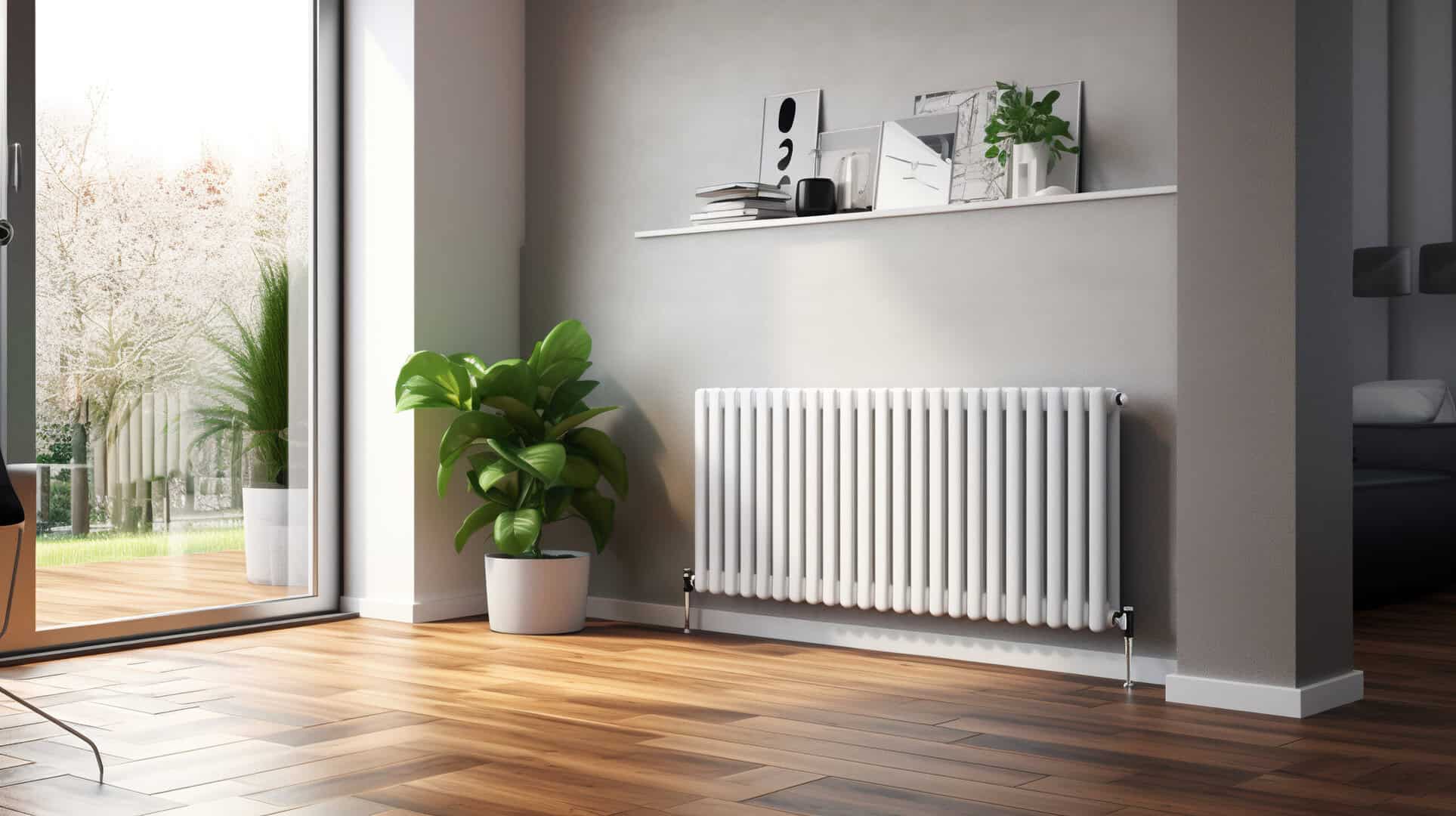
Radiator Repairs in Brent
Thames Pro Plumbing & Heating provides radiator repairs in Brent for homeowners, landlords and domestic properties. Whether a radiator is leaking, staying cold or becoming difficult to control, we assess the fault and explain the most suitable repair.
Get A Free Quote
Finding the Cause of Your Radiator Problem
A radiator that fails to heat properly does not always need replacing. The problem could involve its valves, the flow of water through the radiator or another part of the heating system. Establishing where the fault originates helps avoid paying for work that leaves the original issue unresolved.
Thames Pro Plumbing & Heating checks the affected radiator, accessible connections and reported symptoms before recommending a repair. Tell us whether the problem affects one room or several, when it started and whether you have noticed any leaking water. These details help us understand what needs investigating.
Our wider service as a plumber in Brent also covers household plumbing repairs and planned improvements. If your radiator problem is accompanied by damaged pipework or another plumbing concern, mention this when arranging your visit so we can discuss the work together.
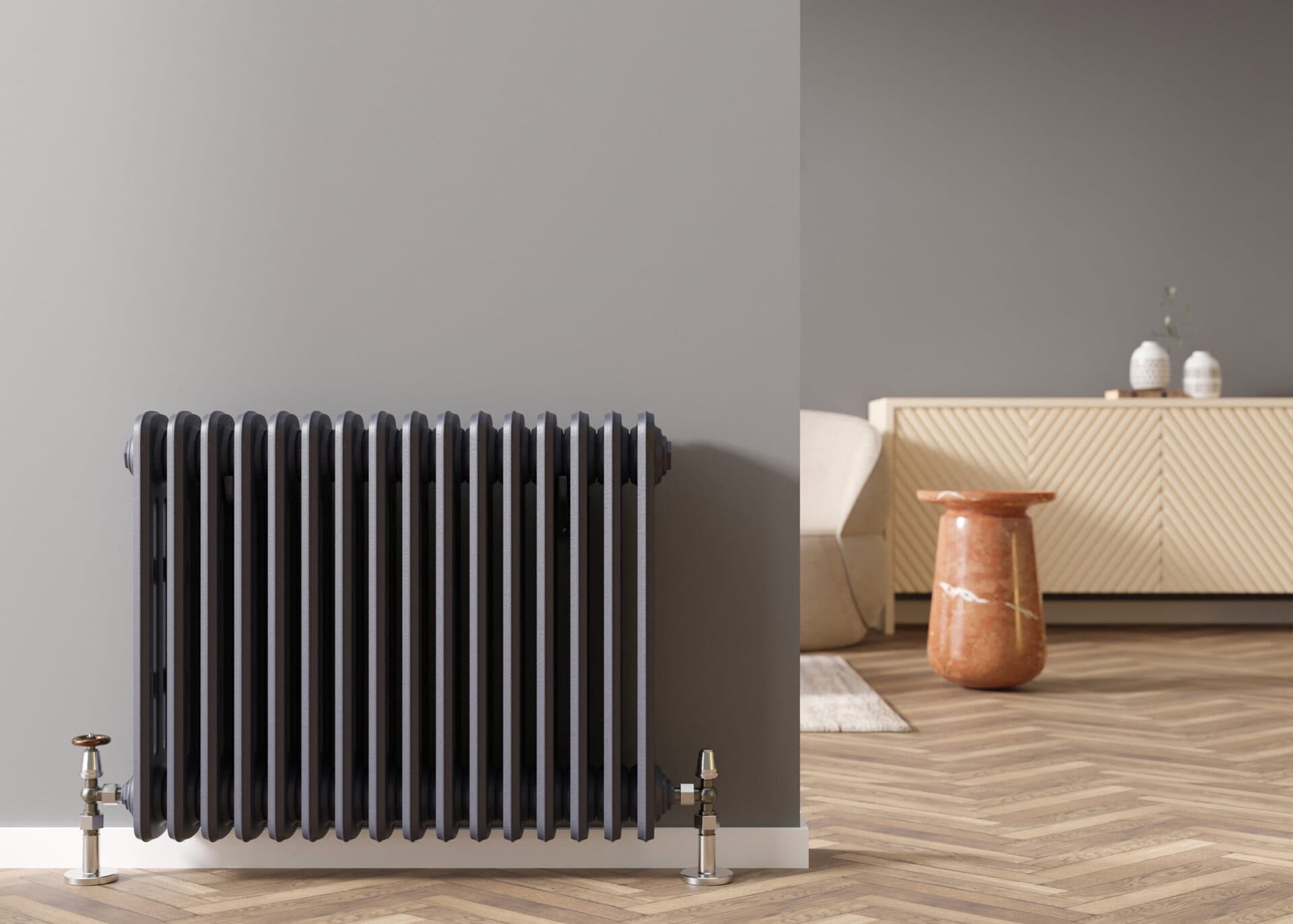
Repairing Leaking Radiators, Valves and Connections
Water around a radiator can come from several places, including a valve, a pipe connection or the radiator body. Identifying the exact source matters because repairing a connection requires a different approach from dealing with corrosion in the radiator itself.
We inspect the affected area and explain whether the problem can be resolved through a suitable repair or replacement component. A leaking radiator valve may be repairable without changing the entire radiator, provided the remaining installation is in suitable condition.
Even a slow drip deserves attention. Water can collect beneath flooring or soak into nearby decoration before the extent of the damage becomes obvious. Describe where the moisture appears and whether it changes when the heating is running. Photographs of the radiator, both valves and the surrounding floor can also help us understand the problem before attending.

Addressing Radiators That Heat Unevenly
A radiator that warms only partially can leave a room uncomfortable even when the heating is switched on. Trapped air, restricted circulation and valve problems can produce different heating patterns, so the position of the cold area provides useful information during diagnosis.
We assess whether the issue is confined to the radiator or appears elsewhere in the property. Where several rooms are affected, simply working on one radiator may not resolve the underlying circulation problem. Any recommended work should reflect the condition of the wider system.
Our aim is to restore the radiator’s intended performance through an appropriate repair. We explain what has been identified, what can be corrected and whether further investigation is needed, helping you understand the next step without assuming that every cold radiator requires a new unit.
Clear Advice and Careful Workmanship
Radiator repairs should begin with a clear explanation of the fault and the proposed work. We discuss the available options so you understand whether the job involves a valve, a connection, the radiator itself or further checks.
We also consider the working area before starting. Radiators are often positioned close to carpets, furniture and decorated walls, making care inside the property an important part of the service. Access to the radiator and its connections helps us complete the work efficiently.
Customers can contact us directly with their concerns, photographs and property details. From the initial enquiry through to checking the completed repair, we aim to provide straightforward communication and a tidy, professional service.

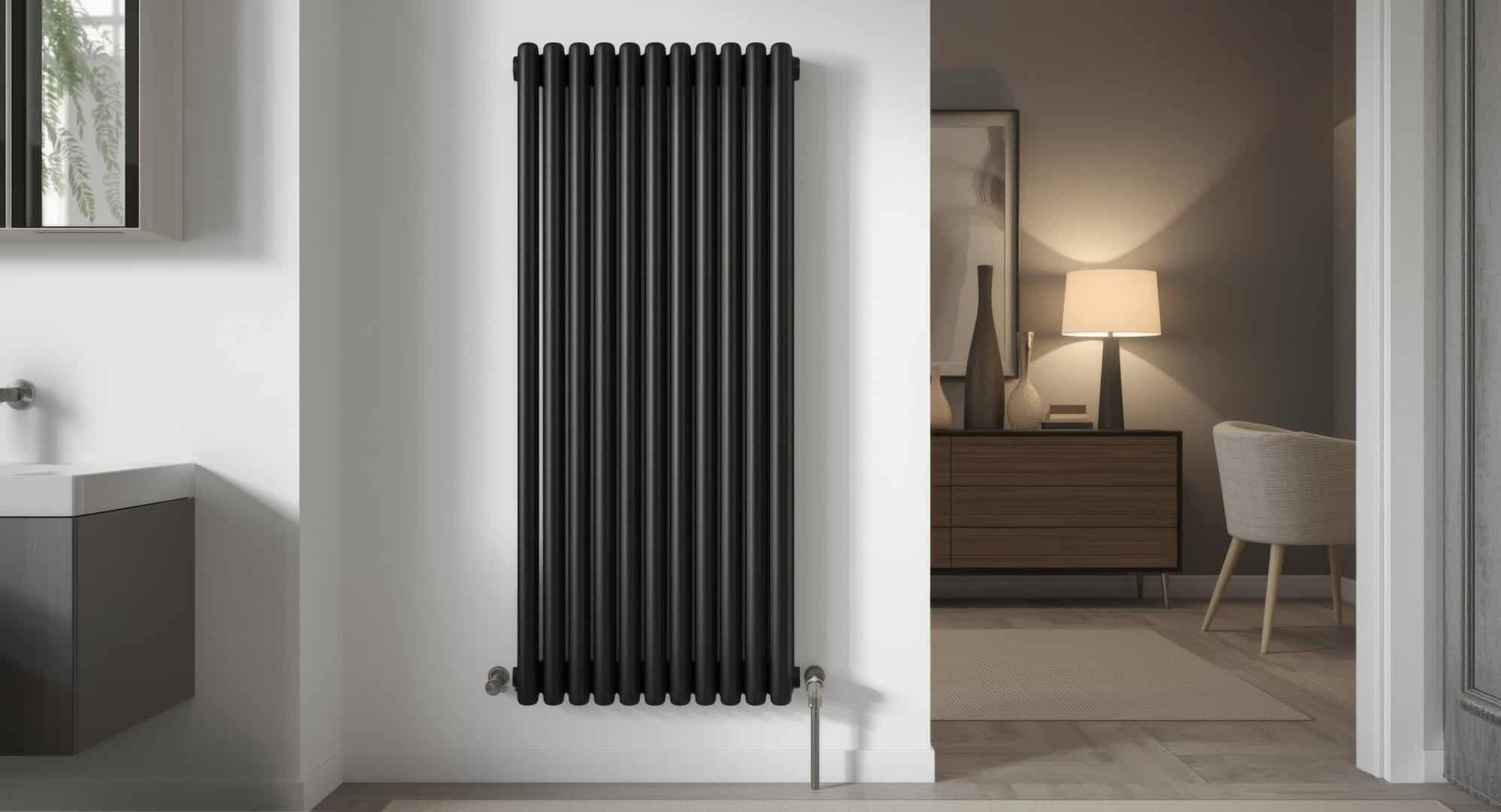
Radiator Repairs for Homes and Rental Properties
We assist with radiator faults in houses, flats and rental accommodation throughout Brent. Each property can have different pipework arrangements, access restrictions and heating controls, so we assess the installation individually.
For landlords, it helps to provide the tenant’s description of the problem and arrange access before the appointment. For homeowners, explaining whether the radiator has been repaired previously can help identify recurring concerns.
If the fault appeared after decorating, moving furniture or other work around the radiator, mention this when contacting us. Knowing what changed before the problem began can help direct the inspection towards the relevant fittings and connections.
Frequently Asked Questions
When the other radiators heat normally, a cold radiator may have a local valve problem, trapped air or restricted water flow. The symptoms can help narrow down the cause, but they do not provide a definite diagnosis on their own. Tell us whether the radiator stays completely cold, warms only in certain areas or responds when its control is adjusted. It is also useful to know whether the issue developed suddenly or has become worse over time. We can inspect the radiator and its accessible connections, then explain the appropriate repair or any further checks needed to understand the problem.
A leaking radiator does not automatically require a complete replacement. If the water is escaping from a valve or connection, repairing that component may resolve the problem while retaining the existing radiator. A leak through a corroded radiator body is a different concern and may make replacement the more suitable option. We assess the source of the leak alongside the condition of the radiator before discussing the available solution. If a new unit is recommended, our radiator replacement service explains the next steps. The decision should reflect the actual fault, the likelihood of a dependable repair and the cost of the proposed work.
We can assess faulty radiator valves and discuss repair or replacement where appropriate. A thermostatic radiator valve controls the flow of hot water according to the temperature around it, so a problem with the valve can affect how the room heats. Difficulty adjusting the control, an unresponsive radiator or water around the valve can all justify an inspection. The correct solution depends on whether the fault involves the control head, valve body or adjoining connection. You can also read the Energy Saving Trust’s advice on heating controls to understand how radiator controls work alongside the rest of your heating system.
Switch off the heating and contact us promptly if a radiator is releasing water continuously or damaging the surrounding area. Keep away from hot water and electrical fittings affected by the leak, and avoid dismantling valves or connections. Turning off the heating does not necessarily stop the leak, so explain whether water continues escaping afterwards. Our emergency plumber in Brent can discuss urgent plumbing problems and confirm availability. Provide your postcode, the location of the leak and photographs where safe to take them. We can then advise on the immediate next step and whether urgent attendance is needed.
We provide radiator repairs across Brent, including Wembley, Wembley Park, Willesden, Willesden Green, Harlesden, Kilburn, Kingsbury, Queensbury and Neasden. Our coverage also includes Alperton, Stonebridge, Dollis Hill, Sudbury, Kenton, Kensal Green, Kensal Rise and Queen’s Park within the borough. Whether you need help with a leaking radiator in a family home or a heating fault in a rented flat, send us your postcode and details of the problem. This allows us to confirm coverage and appointment availability for your address. Mention any parking restrictions, shared access arrangements or other information that could affect attending the property.
Yes, landlords and property managers can arrange radiator repairs for residential properties in Brent. We will need the property address, a description of the fault and details of who can provide access. Photographs from the tenant can be useful, particularly when the problem involves a leak, damaged valve or visible corrosion. It also helps to know whether the radiator still heats and whether other rooms are affected. Access arrangements should be agreed with the occupier before the visit. We can assess the reported issue, explain the recommended work and discuss any replacement components required to complete a suitable repair.